Injection Molding Process Simulation
Moldflow simulation of injection molding for thermoplastics, thermosets and elastomers.
The Moldflow suite is the world's leading software for in-depth simulations to validate and optimize part and mold design.
We can simulate plastics flow and packing, mold cooling, and part shrinkage and warpage for thermoplastic injection molding, gas-assisted injection molding, co-injection molding and injection-compression molding processes.
Process simulation with Moldflow is essential to manage the injection molding process scientifically, allowing the parameters involved (process, mold and part geometry, etc.) to be checked before real production.
Companies around the world have chosen FlowService's solutions.

Benefits
- Far fewer adjustments during mold tryout.
- Shorter time to design the mold.
- Optimization of the runner geometry.
- Accelerated development of the process parameters.
- Reduced time to market.
- Lower production costs.
- More competitive, higher-quality products.
Material characterization
The reliability of a simulation depends decisively on the material data.
For thermoplastics the software database often contains a material identical or very similar to the real one; an accurate characterization becomes important, however, when shrinkage and warpage must be predicted precisely.
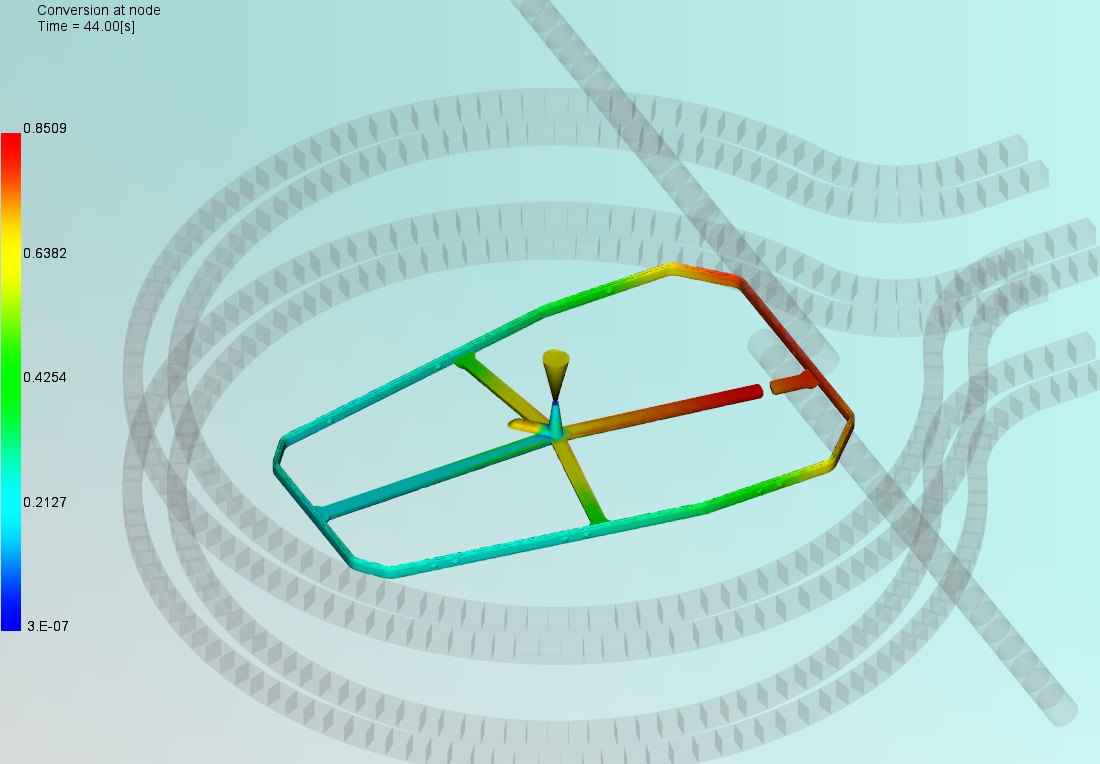
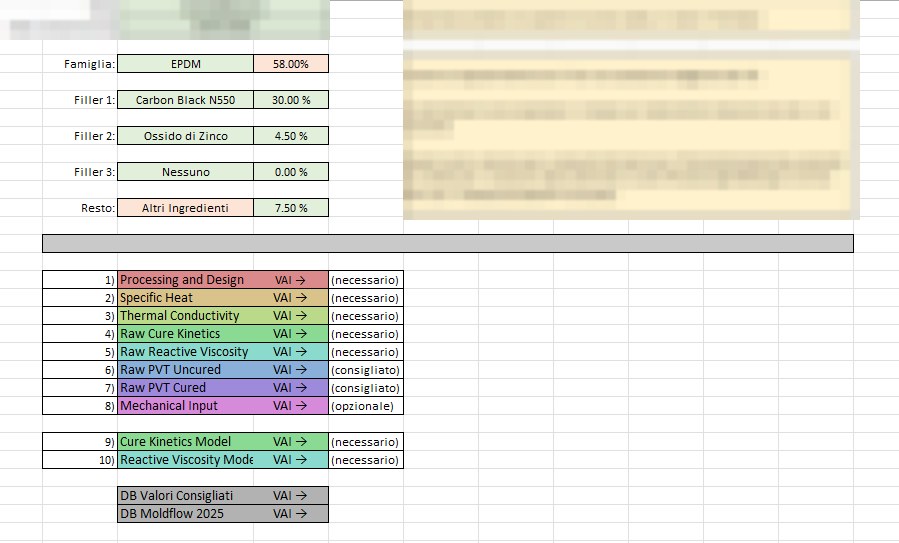
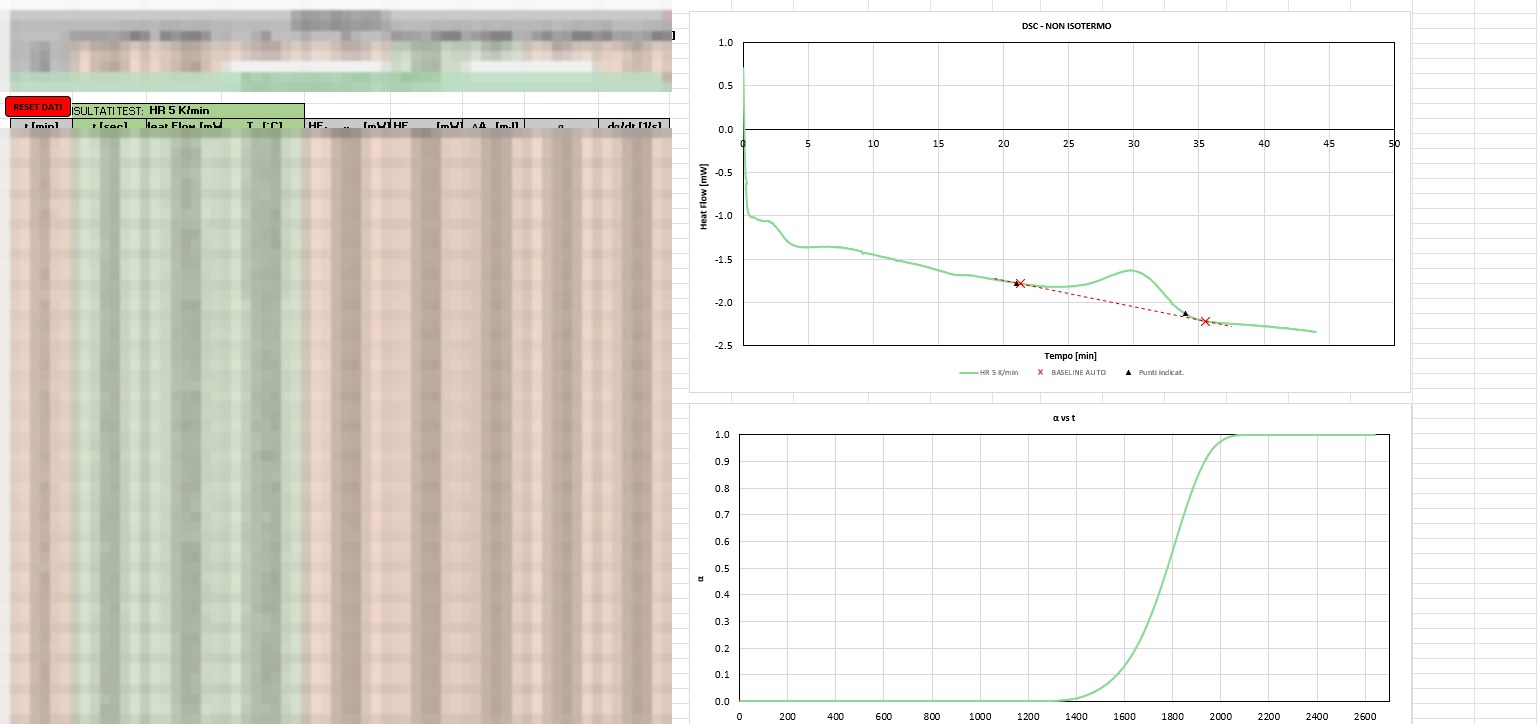
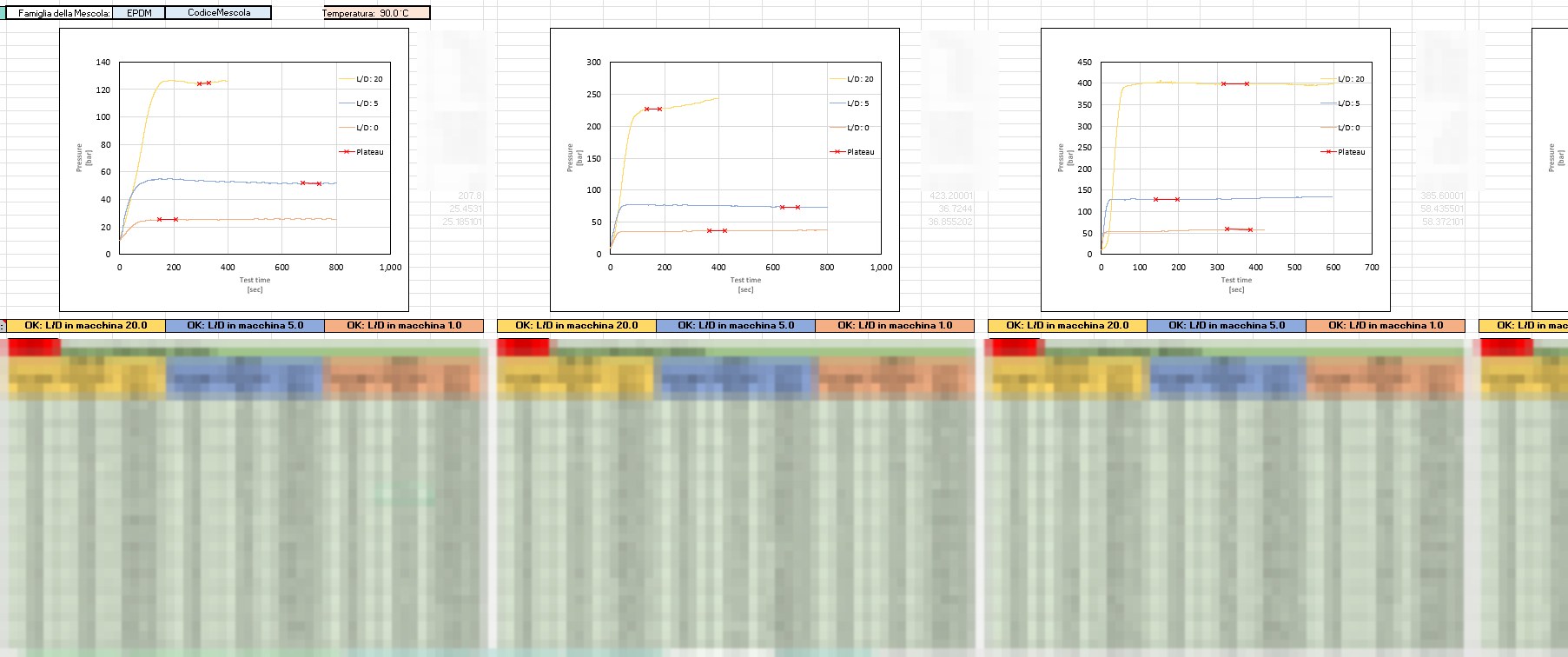
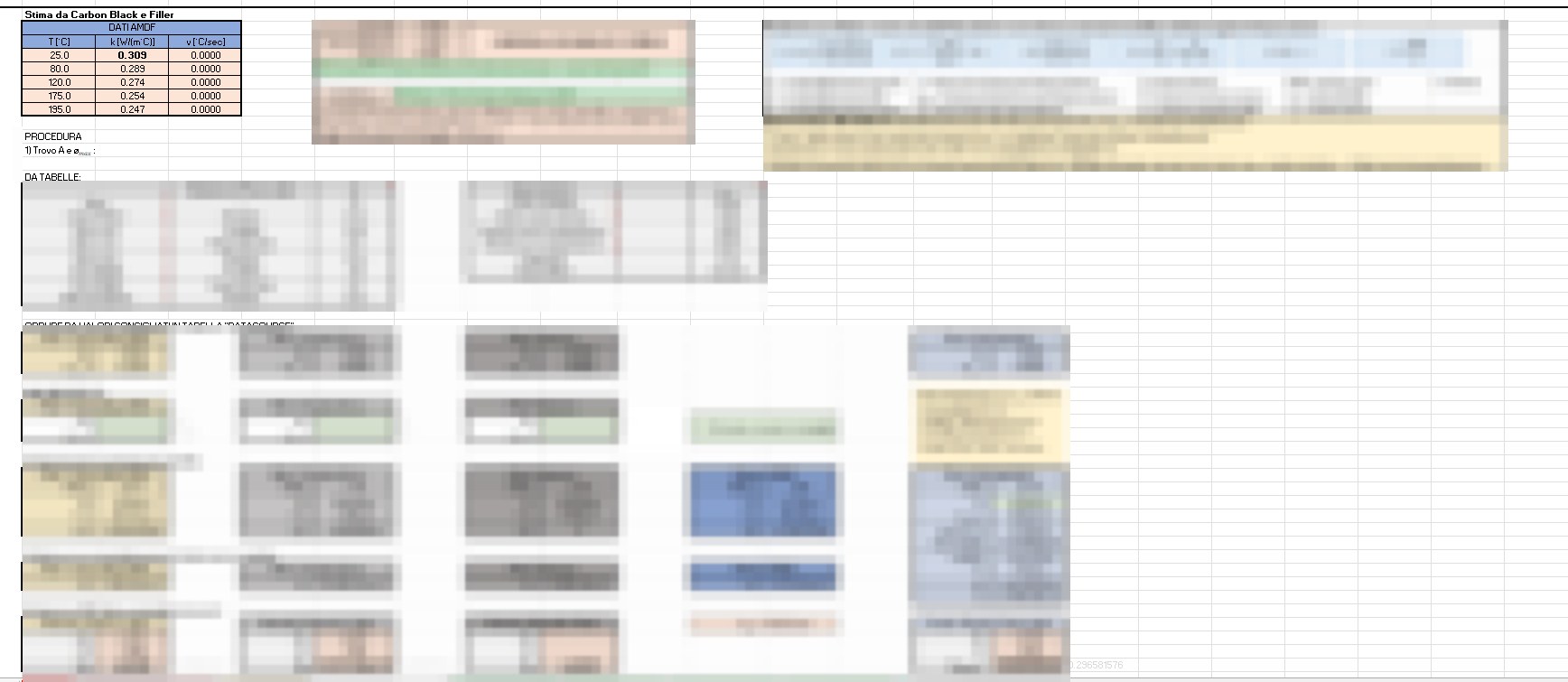
For thermosets and elastomers, characterization is essential also to describe the curing phase: viscosity, cure kinetics, scorch time and thermal properties change from compound to compound, even within the same family, and are rarely available in databases.
We have direct experience in this field: we process rheological, thermal and curing tests and turn them into the parameters required by the simulation models, with ongoing work on several families of elastomer compounds for injection molding.
How we support the customer
- We indicate which laboratory tests are needed, according to the goals of the simulation.
- We process the raw data provided by the customer or by the laboratories of their choice, with calculation tools developed in-house.
- We obtain the parameters of the simulation models with Autodesk Moldflow Data Fitting.
- We state the reliability of the measured and of the estimated parameters.
Special processes and integrated analyses
Integration with structural analysis
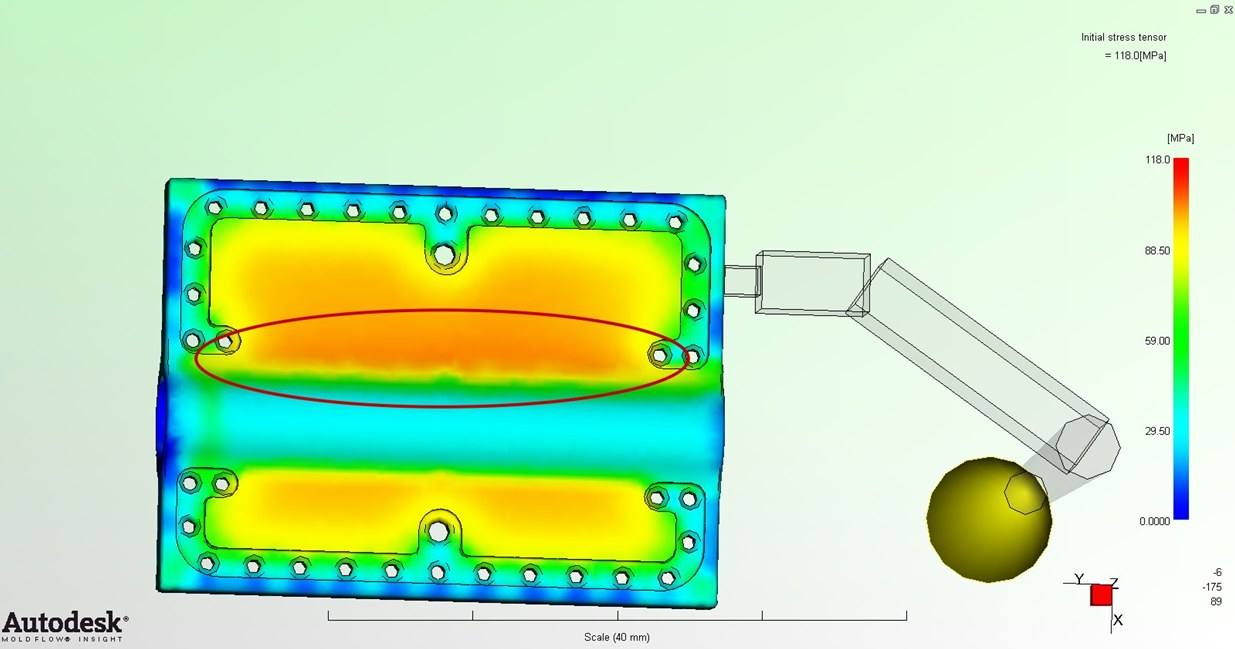
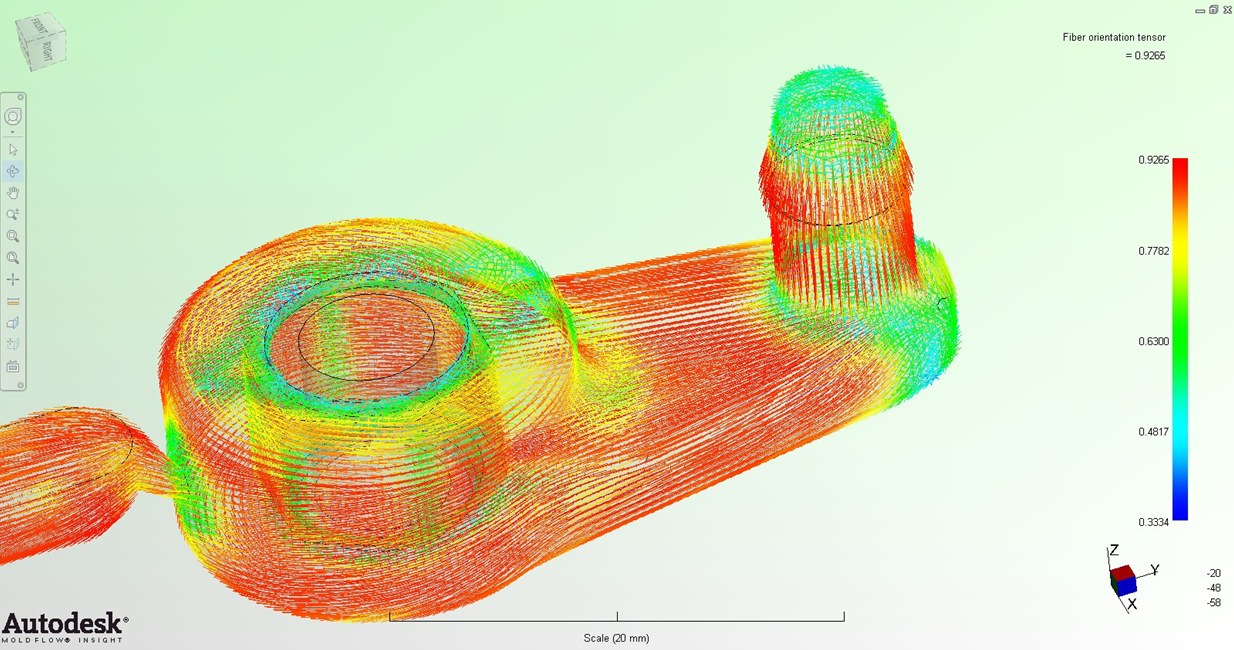
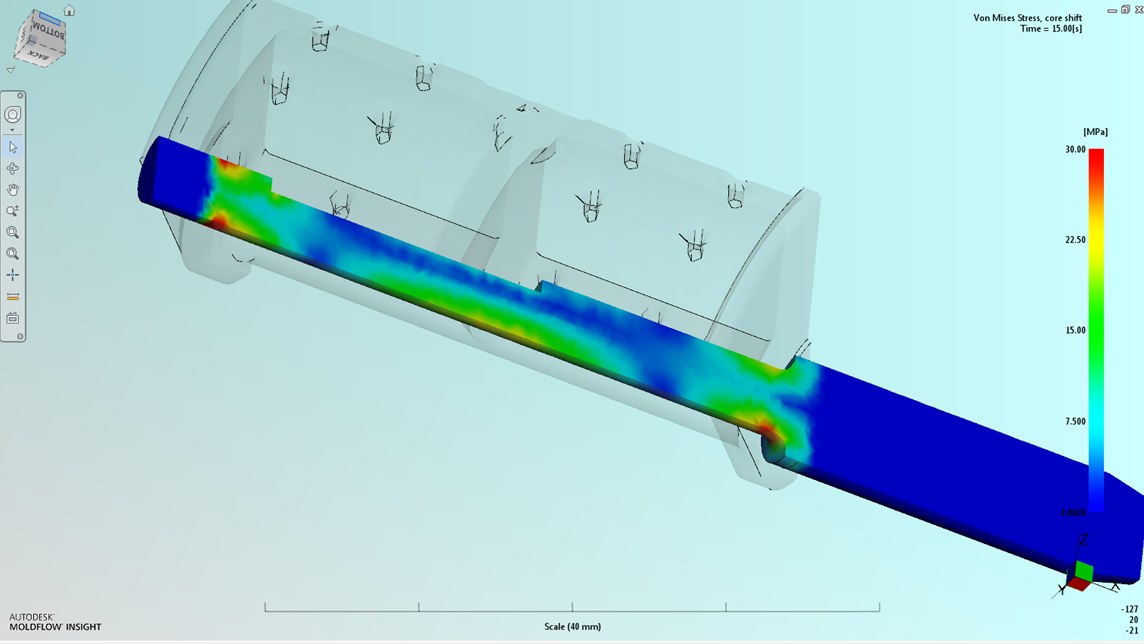
The properties of a molded part are not uniform: they depend on how the material filled the mold. For this reason we transfer Moldflow results, such as residual stresses and fiber orientation, to the structural analysis carried out by the customer or by third parties, so that the calculation reflects the real part rather than an ideal material. With the same approach we evaluate the stresses on mold inserts, such as core shift during filling.
Other processes we can simulate
Besides conventional injection molding, Moldflow simulation also covers special processes, which we have handled in specific cases:
- Gas-assisted injection molding
- Overmolding on metal or plastic inserts
- Two-component injection and two-material molding
- Injection-compression of thermosets
- Compression molding of thermosets
Contact us to evaluate together the most suitable simulation for your process.
Moldflow simulation in detail
 Main Results
Filling, packing, deflection, weld lines and the other simulation results.
Results Injection Molding Process
The stages of the injection molding process of plastic materials.
The process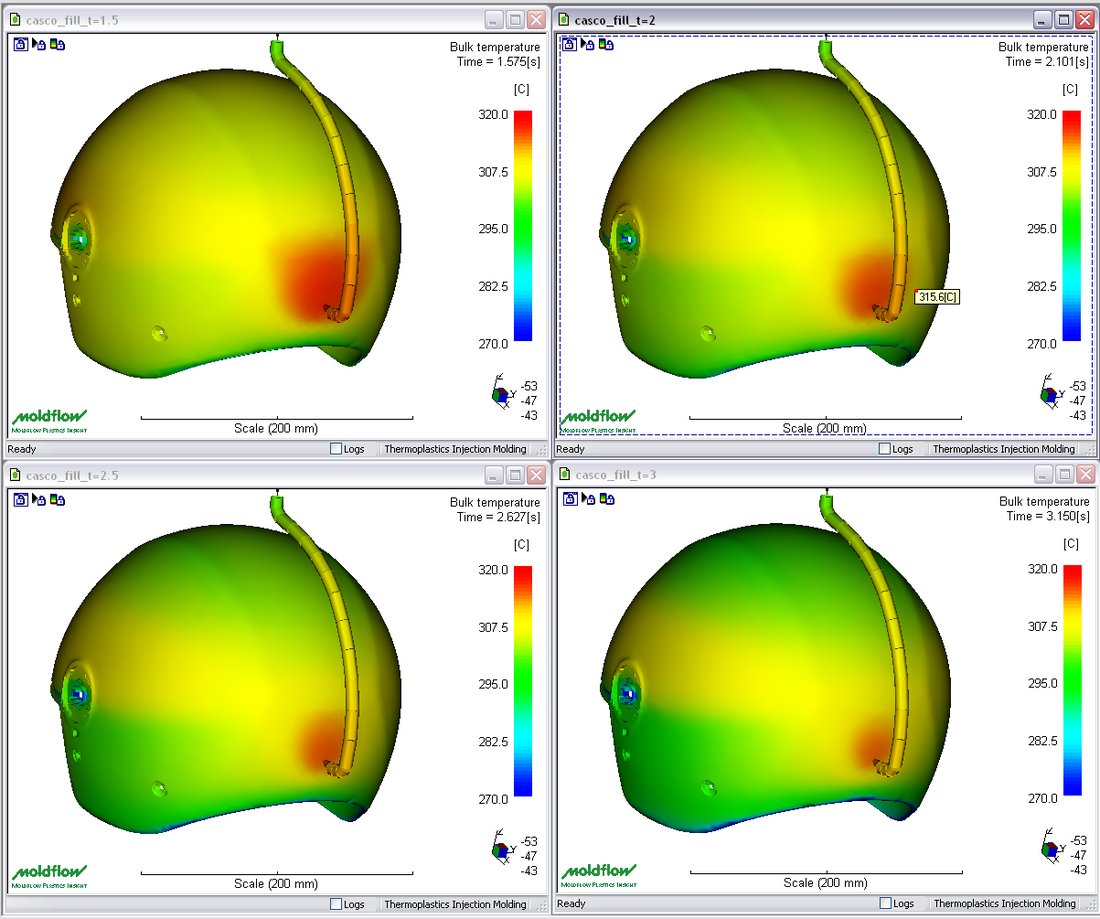
 Practical simulation examples
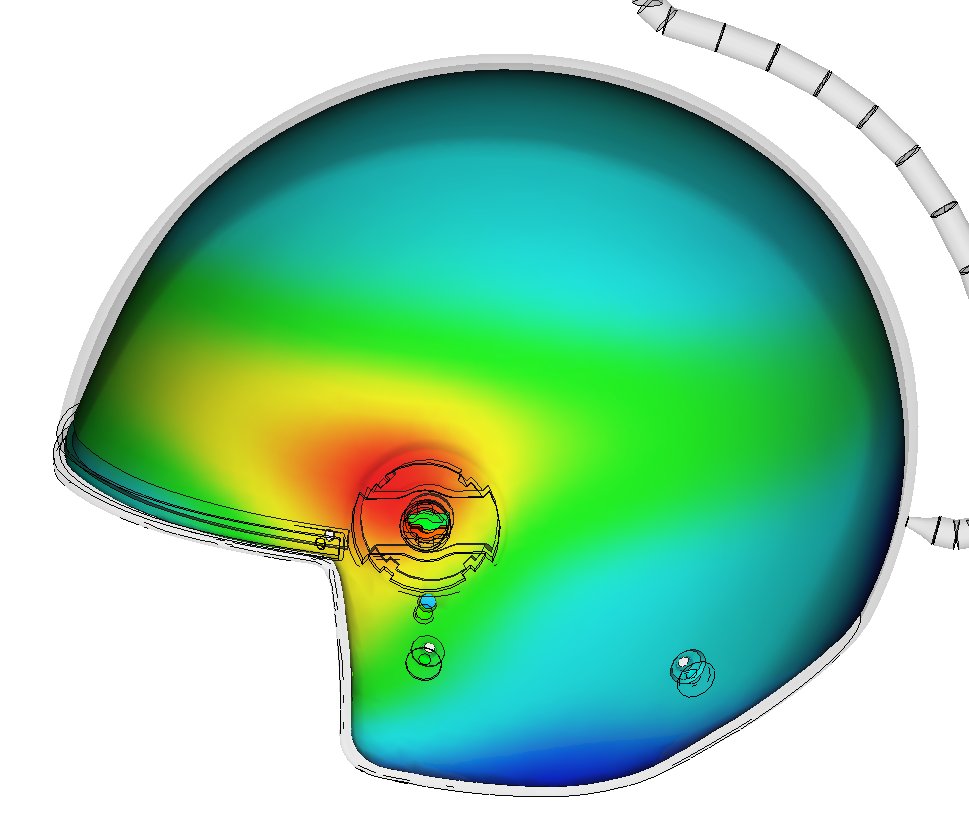
Some real cases solved with Moldflow simulation.
Examples Injection molding defects
Sink marks, warpage, weld lines, burn marks: causes and how to predict them.
Defect guideSimulation results


Do you have a project to analyze?
Contact us for a technical evaluation of your part or mold.